
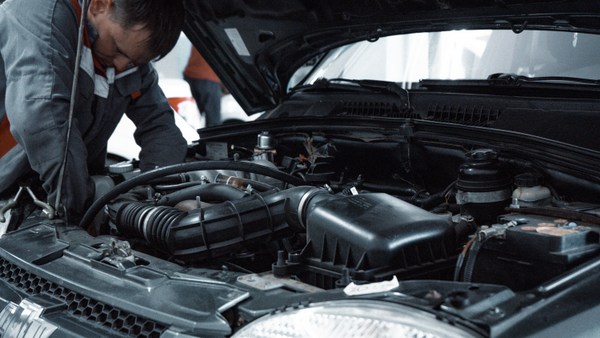
Running a car can get expensive. I’m always on the look out for ways to save time and money on the maintenance of my car.
One way to save time and money is by learning how to do minor repairs on your own. There are many auto repair videos available online that will teach you how to fix common faults in your car. Or you could sign up to a car maintenance course in the evenings or weekends. Learning about your car is a good way to save money because you will be able to identify problems before they get expensive. You could set up your own home workshop in your garden or yard.
Take The Scare Out Of Auto Repair
1. How to choose a repair shop. What you should look for when choosing a repair shop
Ask for a recommendation from friends, family, and anyone else you really trust. If you have just moved to a new area maybe ask for recommendations on a local Facebook page. Look for a repair shop before you need one, so you are not rushed at the last minute to find one. Use the phone, shop around to compare prices and warranty policies on the repair to find your best deal. If you have an Extended Warranty Contract and intend to use it present it to the garage to make sure it will be honoured before any work is started.
2. How To Find The Right Automotive Technician.
Look for shops that display various certifications of their technicians, like manufacturers or trade body certification seal. Certification indicates that some or all of the technicians meet a basic standard of knowledge and experience in a specific technical area, if the certification states the tech is a Master certified tech that means the tech has passed tests and meets the standard for all areas of repair.
Also make sure that the certifications are all current as the mechanics have to be re tested every few years to make sure they stay up to date with changing technology, but remember just because the shop is certified does not always guarantee good or honest work. Make sure you ask the garage/mechanic if they have experience working on the make/model of your vehicle as some shops may not have the experience working on your import if the specialize in domestic cars and vice versa.
3. Unlocking the Mystery of Repair Charges
Before arranging to have any work done to your car, ask what the garage’s pricing policy is. Some garages or dealerships charge a flat rate for labour on vehicle repair. The rate is based on an independent or manufacturer’s estimate of the time required to complete a repair. Some firms will charge actual time the tech works on the vehicle. Most garages use the flat rate system and this is usually the best for the customer as there is no wiggle room for the tech to “make time” on a repair.
If you need an expensive repair or a complicated repair or if you question the required repair, consider getting a second opinion. Just think of it as going to a doctor for major surgery and you want to make sure the doctor is right.
Find out if there is a diagnostic charge if you decide to take the vehicle some where else for the repair. Many garages will charge you for diagnosis time if you have repairs done or not, most will deduct it from repair bill if work done at their garage.
Consider asking for a written estimate for larger repairs and the written estimate should include the following: it should state what is being repaired, the parts and parts cost needed and the labour cost for the repair. Make sure you get a signed copy before you leave the premises.
Make sure you know about parts that are to be repaired or replaced, parts are classified as:
- New-These parts are made to original manufacturer’s specification either by the vehicle manufacturer or and independent company. Prices will vary from original manufacturer equipment or an after market manufacturer and you should be informed of what is used or decided which you want replace on your vehicle.
- Remanufactured, rebuilt or reconditioned.-All three of these terms generally mean the same thing. It means the respective part has been restored to original working condition. Most of these parts will have standard warranty on them from 30 days to a lifetime depending or the part and the source of the part. Usually this includes just the part and not labour to replace it.
- Salvage-These are used parts taken from another vehicle without any alteration from vehicles in a salvage yard. These parts carry a 30 day guarantee depending on the part and salvage yard. Most electrical parts from a salvage yard is bought as is.
After the repair is completed make sure you get the completed repair order showing work done and parts replaced. It should list the repair , parts used, cost of parts and cost of labour. Make sure you check the odometer from when you brought the vehicle in and when you pick it up, there should not be any difference in the miles unless a road test was needed after the repair to make sure everything was working properly. Ask to see all the replaced parts, you are entitled to take them with you if you want. The exception is that a part that was replaced and needs to have the old part returned as a core. The shop is charged a core charge for the old part until it is returned to parts store, if you want to take this part you can if you pay the core charge. Sometimes these are very high depending on the part as they are sent back to a rebuilder to be reconditioned, large parts (transmissions, engines etc.) and electrical parts are most expensive.


Leave a Reply