• Skip to main content
  • Skip to primary sidebar

Orzik

Technology, Auto and Business

  • About Orzik

Nov 09 2023

Legal expert shares seven driving fines to avoid this winter

driving in the winter
Photo by Jan Kronies on Unsplash

Navigating through challenging weather conditions requires more than just the ability to operate a vehicle; it demands a heightened sense of responsibility and consideration. As the elements unleash their fury, the road transforms into a battleground where each driver’s choices can either contribute to collective safety or escalate the risks. Driving carefully and considerately in difficult weather conditions is not merely a matter of personal caution; it’s a communal commitment to safeguarding the well-being of everyone on the road. In these moments, the steering wheel becomes a conduit for shared responsibility, and every cautious maneuver becomes a small but significant contribution to the greater task of ensuring a secure journey for all.

As longer days and autumn hues give way to crisp air and adverse weather, drivers’ have been warned to take extra caution on the roads.
Reports have found that traffic accidents peak from November to January, with severe accidents four times more common in the colder months. With this in mind, Top Rated Law have put together a list of driving rules to be aware of as temperatures plummet and the winter months draw closer

1. Wearing a coat, hat, gloves or scarf
As the temperatures drop, it can be tempting to wrap up warm on a frosty winter’s day. But due to the fact that scarves, hats, and puffy coats can impact visibility and the ability to use your car’s controls, winter clothing could be considered a hazard.
Gloves could also affect your ability to grip the steering wheel or gear stick. In fact, drivers are even warned that breaking this rule could even cost you a £5,000 fine.

2. Splashing pedestrians
You could rack up a whopping £5,000 fine if caught splashing pedestrians on a rainy day, especially after Met Office yellow warnings. This could be considered careless, incompetent, selfish, aggressive or inconsiderate behaviour on the road, and as such, you could be summoned to court and given three penalty points, with the same rule applying to cyclists.

3. Failing to clear snow and ice from roof and windows
As the saying goes; if you fail to prepare, prepare to fail, and in this instance, failing to prepare can be a costly error for UK drivers. It can be easy to miss when rushing out to your morning commute, but it is important to make sure windows are fully de-misted, and to remove any ice or snow from windows and the top of the car as this could fall off and into the path of other road users.
Drivers breaking this law are risking a fine of £60 – rising to £5000 if their vehicle is deemed dangerous – and three to nine points on their licence.

4. Incorrectly using fog lights
It may sound obvious, but you should never use your fog lights if visibility is clear as this could create a glare and dazzle both you and other drivers. According to The Highway Code, you should only rely on your fog lights when you can’t see 100 metres ahead of the car.
Using your fog lights unnecessarily is considered a safety hazard and could result in a £50 non endorsable Fixed Penalty Notice.

5. Check under the car before driving on cold mornings
Whilst checking under your car on a winter morning isn’t a legal requirement, motorists are still urged to have a quick look before setting off, as there could be sleeping animals sheltering from the cold. Cats and other animals could be seriously injured or killed if they decide to rest in the wheel arches during a chilly night, so it’s important to stay vigilant.

6. Driving with unrestrained pets
As we see the rise of pet owners opting to drive rather than walk in the cold and families travelling with their pets for Christmas, the Highway Code warns drivers to make sure dogs or other animals are suitably restrained so they cannot distract you while you are driving.
A seat belt harness, pet carrier, dog cage or dog guard are ways of restraining animals in cars. You could be charged for driving without due care and attention, which carries a maximum fine of £2,500 and nine penalty points.

7. Avoid on street parking if foggy
The Highway Code states that parking your vehicle on a street or roadway in foggy weather is especially dangerous. Foggy mornings are naturally a more common occurrence in the winter months, but drivers should avoid parking in fog at all times unless abandoning your vehicle is unavoidable, in which case you should leave parking lights switched on.

Written by Bracken · Categorized: Auto

Apr 25 2023

Getting Your Car Ready For The Summer

The Beauty that Sports Cars Possess
Photo by Kyle Bushnell on Unsplash

Summer is the perfect time to get out on the road and explore everything the world has to offer. Whether you’re planning a long road trip or just a weekend getaway, it’s important to make sure your car is ready for the journey ahead. In this blog post, we’ll take a look at some essential tips for getting your car ready for driving this summer.

Check Your Tyres

The condition of your tyres is crucial for safe driving, and summer weather can be particularly harsh on them. The heat can cause the air inside your tyres to expand, leading to increased pressure and potential blowouts. Make sure to check the pressure of your tyres and inflate them to the manufacturer’s recommended levels. Also, take a close look at the tread depth of your tyres to ensure they meet the minimum legal requirement of 1.6mm.

Inspect Your Brakes

Your brakes are one of the most important safety features of your car, and it’s crucial to ensure they’re in good working order before heading out on a summer road trip. Make sure to check your brake pads, discs, and calipers for any signs of wear or damage. If you notice any issues, it’s important to get them fixed before hitting the road.

Top Up Your Fluids

There are several essential fluids that keep your car running smoothly, and it’s important to check and top them up regularly. These include engine oil, transmission fluid, brake fluid, coolant, and power steering fluid. Before hitting the road this summer, make sure to check the levels of these fluids and top them up if necessary.

Replace Your Windscreen Wipers

Summer weather can bring sudden downpours and thunderstorms, and it’s important to ensure your windscreen wipers are up to the task of keeping your vision clear. If your wipers are worn out or not functioning properly, it’s time to replace them.

Clean Your Car

A clean car not only looks great but also helps to prevent corrosion and rust. Make sure to give your car a thorough cleaning both inside and out before heading out on a summer road trip. This includes washing and waxing the exterior, cleaning the windows, and vacuuming the interior.

Check Your Air Conditioning

Summer heat can be brutal, and it’s important to ensure your car’s air conditioning system is functioning properly. Make sure to check the system for any leaks, and top up the refrigerant if necessary. If your air conditioning isn’t working properly, it’s best to get it fixed before heading out on a long road trip.

Pack an Emergency Kit

Even with careful preparation, unexpected situations can arise on the road. It’s important to be prepared for emergencies by packing an emergency kit in your car. This should include items such as a first aid kit, a flashlight, a spare tyre, a tyre jack, and jumper cables.

In conclusion, preparing your car for driving this summer in the UK is essential for safe and enjoyable road trips. By following these simple tips, you can ensure your car is in top condition and ready for whatever the road throws your way. So get out there and enjoy the summer sun, knowing your car is ready for any adventure.

If summer is nearly over, you need to think about getting your car ready for winter driving.

Written by Bracken · Categorized: Uncategorized

Feb 17 2023

Valio and VTT Researching the use of Plasma Technology to Convert Methane into Carbon Dioxide

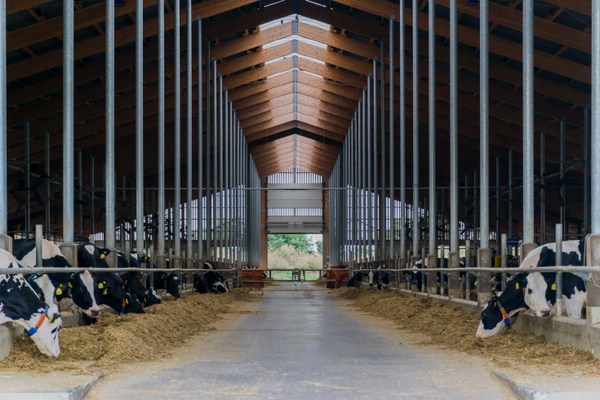
cows in barn methane
Photo by Deny Hill on Unsplash

Methane gas is a potent greenhouse gas that poses a significant threat to the environment. It is produced naturally by decomposing organic matter, but human activities such as livestock farming, landfills, and natural gas drilling also contribute to its release into the atmosphere. Methane is estimated to be 25 times more potent than carbon dioxide in terms of its warming potential, which means it has a significant impact on global climate change. Methane emissions also contribute to the formation of ground-level ozone, which can harm human health and ecosystems. Furthermore, methane in the atmosphere can react with other pollutants to form harmful compounds such as formaldehyde and other volatile organic compounds. Therefore, it is essential to reduce methane emissions to mitigate the negative impact on the environment and human health.

Valio and VTT, Technical Research Centre of Finland Ltd, are participating in an international research project exploring the use of plasma technology to capture the methane in barn air and break it down into carbon dioxide. In Finnish conditions, the methane emissions generated in conjunction with milk production account for about 50 percent of milk’s carbon footprint. The goal of the research project is to develop equipment that can convert the greenhouse gas methane that is captured from barn air into less harmful carbon dioxide.

In milk production, methane is generated in the cow’s rumen in conjunction with digestion and in the handling and storage of manure at dairy farms. Like carbon dioxide, methane is a greenhouse gas, but with a shorter, 28 times more potent warming effect on the atmosphere than carbon dioxide. In the atmosphere, methane decomposes into carbon dioxide in 10–12 years.

The EU area has about 1.8 million cattle farms with a total of approx. 77 million cows producing 158 MT CO2e of methane per year. Agriculture accounts for 10 percent of the EU’s greenhouse gas emissions, and methane generated by ruminants accounts for 43 percent of emissions from agriculture. The European Union Fit for 55 package aims for carbon neutrality in the agriculture sector by 2035. Achieving the target will require fast and cost-effective solutions.
“Our goal is to develop a new, eco-friendly, cost-effective technological solution that captures and breaks down the methane in barn air. This would enable us to cut the amount of barn air methane that ends up in the atmosphere by as much as 90 percent. When we convert the methane released in barn air into carbon dioxide, the more potent warming effect of methane is decreased. This, in turn, reduces the climate impacts of milk production by an estimated 30–40 percent,” says Juha Nousiainen, Valio’s Senior Vice President who heads the Climate programme.

Cold plasma technology can reduce methane’s warming effect already at the barn

Of the several gases in barn air, methane accounts for a very small fraction: some hundreds of parts per million. One cow produces about 15 kilograms of methane in a year. Early this year, the research project headed by VTT started measuring and identifying the gas mixture in barn air. The measuring is taking place at Valio’s Arvela dairy farm in Pöytyä, Finland, where there are 240 cows. Among the participants in the EU-funded, four-year CANMILK project are top universities, researchers and knowledge transfer partners from Belgium, England, Germany, and The Netherlands.
Cold plasma is present in many everyday things and phenomena, such as fluorescent tubes and in the sky creating northern lights. Cold plasma is formed when electrons in the gas become hot enough.

“Cold plasma is used to break down methane by exciting the gas molecules in the barn air to react with the methane. This is done using electricity in a unit located outside the barn,” says Senior Advisor Pekka Simell from VTT.

Developing new technology to control methane emissions is significant also on global level because reducing agriculture’s greenhouse gas emissions is necessary.

Valio’s ambitious climate programme consists of concrete actions to cut milk’s carbon footprint to zero by 2035. This means that an equal amount of greenhouse gases generated in milk production is sequestered by 2035.

Atmospheric methane breaks down into carbon dioxide in about 10–12 years. Atmospheric carbon dioxide is sequestered in plants and soil through photosynthesis. Like forests, grasses sequester and store carbon in their roots. Carbon dioxide is stored in grass as carbohydrates. When a cow eats grass, ruminates and burps, the carbon stored in the grass is released into the atmosphere as methane; the methane breaks down into carbon dioxide in 12 years – and re-emerges in plants through photosynthesis.

“It is clear that agricultural emissions must be significantly reduced. There are several alternatives, and not all methods have been invented yet. Cows enable us to produce high-quality food products also in northern regions where grass grows well but food crops do not produce sufficient yields. The trade-off for this is the methane emissions generated by the cows. However, we have several good possibilities for significantly reducing methane in the years to come. Methane capture and decomposition technology will help us get closer to our goal,” Juha Nousiainen sums up.

Written by Bracken · Categorized: Green Technology and Business Practices

Jan 12 2023

Orient Express Silenseas

Have you ever dreamed of setting sail on a sailing ship and exploring the world? If so, you are not alone. Sailing ships have been a source of adventure and exploration for centuries, and they remain an exciting way to explore the world today. Whether you want to sail around the Caribbean or across the Atlantic, sailing ships offer an unforgettable experience that will stay with you for years to come. With modern amenities, plenty of space to relax, and a unique way to explore new places, sailing ships provide an unparalleled experience that is sure to be a memorable experience.

Orient Express, Accor - Yacht Evening
Renderings: Orient Express Silenseas © Martin Darzacq

Orient Express Silenseas: The legendary train heads out to sea as the world’s largest sailing ship is unveiled

140 years after the launch of its first luxury trains, the Orient Express legend continues with the unveiling of the world’s largest sailing ship, Orient Express Silenseas. This revolution in maritime history is an ambitious undertaking that pushes the limits of what is possible. The result of a unique French partnership between world leader in hospitality Accor and Chantiers de l’Atlantique, a globally leading shipbuilding company, this extraordinary sailing yacht of the future with spectacular interiors will set sail in 2026.

“With Orient Express Silenseas, we are beginning a new chapter in our history, taking the experience and excellence of luxury travel and transposing it onto the world’s most beautiful seas. This exceptional sailing yacht, with roots in Orient Express’ history, will offer unparalleled service and refined design spaces, reminiscent of the golden age of mythical cruises. Innovation is at the heart of this ultra-modern ship that will revolutionize the maritime world with new technology to meet today’s sustainability challenges. It is a boat designed to make dreams a reality, a showcase for the best of French savoir-faire.”

-Sébastien Bazin, Chairman and CEO, Accor.

“With a signed letter of intent to order two ships, Chantiers de l’Atlantique is proud to herald a new era in the shipbuilding industry with Silenseas. This concept, born in our design offices in 2018, is the quintessence of our savoir-faire in the fields of naval architecture, the construction of sophisticated hulls, as well as the design of luxurious spaces. In addition, the installation of three SolidSail rigs, a revolutionary 1,500-square-meter unit wind propulsion system, for which we have developed and tested a first prototype, will contribute significantly to the propulsion of the ship. Combined with a hybrid propulsion system running on liquefied natural gas (LNG), Silenseas will thus become the ship of reference in terms of environmentally-friendly operation and design. “

-Laurent Castaing, Managing Director, Chantiers de l’Atlantique.

 In 1867, Georges Nagelmackers boarded the transatlantic ships connecting Europe to America and set off on a journey of discovery to the United States. Fascinated by the grandeur of these huge boats, the founder of Orient Express trains explored the luxurious travelers’ suites, with their rich and sumptuous decor, adorned with exceptional marquetry. He experienced the social scene in the restaurants and the unique ambiance of the lounges, libraries and entertainment venues. This sea travel experience would later inspire the 1883 launch of his now legendary train: the Orient Express.

Inspired by the Golden Age of the French Riviera, Orient Express Silenseas will echo the glorious era when writers, artists, painters, princesses and movie stars spent time between Monte-Carlo, the beaches of Saint-Tropez, Cap d’Antibes, Cannes and its famous Croisette and discovered a refinement tinged with exquisite insouciance and joie de vivre, inviting them to extreme escapades.

A 220-meter-long ocean treasure with a tonnage of 22,300 UMS, Orient Express Silenseas will feature 54 Suites measuring on average 70-square-meters, including a monumental 1,415-square-meter Presidential Suite (including a 530-square-meter private terrace), two swimming pools including a lap pool, two restaurants and a speakeasy bar. The singular cruise ship will celebrate the Art of Travel à la Orient Express: the quintessence of luxury, absolute comfort and dreams.

A tribute to artists and culture, Orient Express Silenseas will invite guests to experience incredible shows in its Amphitheatre-Cabaret and a private recording studio will give a voice to the most beautiful melodies. This unique travel experience, guided by the winds, will feature spa treatments, meditation sessions and stopover explorations to discover cultural treasures that allow guests to completely unplug from reality and stop time.

Capitalizing on the experience of these experts in ocean racing, Orient Express Silenseas will sail with a revolutionary technological design known as ‘SolidSail’: three rigid sails with a surface area of 1,500 meters each will be hoisted on a balestron rig, with three tilting masts reaching more than 100 meters high, able to ensure up to 100% of the propulsion in suitable weather conditions. This hybrid propulsion formula will combine wind power with a state-of-the-art engine running on liquefied natural gas (LNG) and plans to use green hydrogen once the technology is approved for ocean passenger ships, launching a new, more environmentally friendly vision of sea travel.

The latest feat from the Chantiers de l’Atlantique is a true sailing yacht of the future combining the finest French talents. Renowned architect Maxime d’Angeac will design the interior layout and decor and Nantes-based design company Stirling Design International will handle the exterior architecture. Hetland Maritime also assisted Accor in creating the project and in the ongoing discussions with Chantiers de l’Atlantique. The entire project will be financed up to 70-80% by commercial banks, with the remainder provided by a consortium of equity partners in which Accor will have a minority stake.

Written by Bracken · Categorized: Shipping and maritime

Dec 19 2022

Enhertu Approved in EU for Gastric Cancer

Gastric cancer is a type of cancer that develops in the lining of the stomach. It can also occur in other parts of the digestive system as well. The symptoms of gastric cancer are usually not very specific and can include:

-Weight loss

-Nausea and vomiting

-Diarrhea or constipation

-Abdominal pain, bloating and discomfort

Gastric cancer is the 5th most common cancer and the 4th leading cause of cancer death worldwide in 2020. Over the years there has been some improvement, however international benchmarking studies have shown that gastric cancer survival remains low, even in high income countries, confirming that a focus on primary and secondary prevention is much needed.

cancer drugs
Photo by Myriam Zilles on Unsplash

So it’s good news that Enhertu has been approved in the EU for patients with previously treated HER2-positive advanced gastric cancer.  It’s the first HER2-directed medicine to be approved for gastric cancer in the EU in more than a decade.

AstraZeneca and Daiichi Sankyo’s Enhertu (trastuzumab deruxtecan) has been approved in the European Union (EU) as monotherapy for the treatment of adult patients with advanced HER2-positive gastric or gastroesophageal junction (GEJ) adenocarcinoma who have received a prior trastuzumab-based regimen.

Enhertu is a specifically engineered HER2-directed antibody drug conjugate (ADC) being jointly developed and commercialised by AstraZeneca and Daiichi Sankyo.

The approval by the European Commission follows the positive opinion of the Committee for Medicinal Products for Human Use in November 2022 and is based on results from the DESTINY-Gastric02 and DESTINY-Gastric01 Phase II trials.

In DESTINY-Gastric02, which enrolled patients from North America and Europe, treatment with Enhertu resulted in a confirmed objective response rate (ORR) of 41.8% as assessed by independent central review (ICR). Median duration of response (DoR) was 8.1 months.

In DESTINY-Gastric01, which enrolled patients from Japan and South Korea, treatment with Enhertu resulted in a confirmed ORR of 40.5% versus 11.3% with chemotherapy (irinotecan or paclitaxel) as assessed by ICR. The median DoR was 11.3 months with Enhertu versus 3.9 months with chemotherapy. Patients treated with Enhertu had a 41% reduction in the risk of death versus patients treated with chemotherapy (based on a hazard ratio of 0.59; 95% confidence interval: 0.39-0.88; p=0.0097) with a median overall survival (OS) of 12.5 months versus 8.4 months.

Approximately 136,000 cases of gastric cancer are diagnosed annually in Europe, where it represents the sixth leading cause of cancer death. Gastric cancer is typically diagnosed in the advanced stage. Even when the disease is diagnosed at earlier stages, the survival rate remains modest. Approximately one in five gastric cancers are HER2-positive.

Eric Van Cutsem, MD, PhD, Head of Department of Oncology at the University of Leuven, Belgium and Founding Chair of the ESMO-GI/World Congress of Gastrointestinal Cancers, said: “Today’s news is a welcome advance for patients with HER2-positive advanced gastric cancer. Patients with this disease face poor outcomes following progression on initial treatment with a HER2-directed medicine as many do not respond to further treatment, and even those that do respond often do not have durable responses. Data from the DESTINY-Gastric02 and DESTINY-Gastric01 trials support Enhertu becoming a new standard of care for patients in this setting.”

Dave Fredrickson, Executive Vice President, Oncology Business Unit, AstraZeneca, said: “Today’s important approval makes Enhertu the first HER2-directed medicine to be approved for gastric cancer in the European Union in more than a decade. Patients across the EU with advanced HER2-positive disease who have progressed following treatment in the first-line setting, may now have the opportunity to benefit from treatment with Enhertu.”

Ken Keller, Global Head of Oncology Business, and President and CEO, Daiichi Sankyo, Inc., said: “Enhertu is the first antibody drug conjugate to be approved in Europe for advanced gastric cancer, representing a major advance in treating this difficult-to-treat cancer. With this approval, we can now offer patients with previously treated HER2-positive gastric cancer a treatment with clinically meaningful efficacy.”

In both trials, the safety profiles observed in patients treated with Enhertu were consistent with those seen in other trials of Enhertu with no new safety signals identified.

Enhertu is also approved in the US and several other countries for locally advanced or metastatic HER2-positive gastric cancer.

Written by Bracken · Categorized: Medical/Pharmacy

  • « Go to Previous Page
  • Page 1
  • Page 2
  • Page 3
  • Page 4
  • Page 5
  • Interim pages omitted …
  • Page 10
  • Go to Next Page »

Primary Sidebar

About Us

OrzikWelcome to Orzik.  My name is Bracken Chalmers and I am the editor of Orzik: an industry and technology website.  To find out more about us, visit this page. Or contact us by email

Recent Posts

  • 5 Ways To Avoid Winter Driving Fines
  • Range Anxiety is a Thing of the Past: Why UK Drivers Can Go Electric with Confidence
  • How Heavy Car Keyrings Can Damage Your Car
  • THE GREAT BRITISH INVENTIONS WE NEVER KNEW WERE BRITISH
  • 5 Consequences of Neglecting Your Windshield in the UK

Pages

  • About Orzik
  • Privacy Policy

Categories

  • Auto
  • Aviation
  • Green Technology and Business Practices
  • Manufacturing
  • Medical/Pharmacy
  • Raw Materials
  • Shipping and maritime
  • Technology and Internet
  • Uncategorized

Copyright © 2026 · Altitude Pro on Genesis Framework · WordPress · Log in